
Selling a home in Florida is not just about getting it online. The quality of your MLS listing, the accuracy of your property details, your pricing strategy, and your response time all influence how buyers and agents react in the first few days.
To effectively use a Florida MLS listing service, home sellers must strategically optimize their listing beyond simply getting it online. This involves confirming the property is listed in the correct regional MLS, such as Stellar MLS or Miami REALTORS MLS, to ensure local buyer agents see it. The MLS serves as the primary source for agents and syndicates to numerous platforms, making accurate and complete data crucial for broad exposure. Additionally, pricing the home strategically for the first week is vital to capture early buyer momentum and attention.
A Florida MLS listing service can help you reach serious buyers without paying a traditional full listing commission, but the results depend on how well you use it. The MLS is powerful because it feeds agent search tools, brokerage websites, saved buyer alerts, and many national real estate portals. Still, an incomplete or poorly positioned listing can underperform even with broad exposure.
Below are practical tips for Florida home sellers who want to make the most of an MLS listing service, whether you are selling mostly on your own, using a flat fee MLS option, or choosing a more agent-assisted approach.
1. Confirm that your home will be listed in the right Florida MLS
Florida does not have one single statewide MLS. Different regions use different MLS systems, and the right one depends on where your property is located. A home in Tampa may need different coverage than a condo in Miami, a beach property in the Panhandle, or a townhouse near Jacksonville.
Before choosing a Florida MLS listing service, ask which MLS your property will be entered into and whether that MLS is the one local buyer agents actually use. Major Florida MLS systems may include regional platforms such as Stellar MLS, Miami REALTORS MLS, BeachesMLS, or Northeast Florida MLS, depending on the market.
The goal is not simply to be “on the MLS.” The goal is to appear where active local agents and their buyers are searching. If you want a deeper breakdown of what to compare, NetRealtyNow has a helpful guide on how to choose a Florida flat fee MLS listing service.
2. Understand how MLS exposure actually works
Many sellers assume the MLS is just another real estate website. It is more than that. Once your listing is entered correctly, it can reach agents through MLS searches, trigger saved-search alerts for qualified buyers, appear on brokerage IDX websites, and syndicate to consumer portals.
That does not mean every detail appears everywhere in the same format. Some portals may display photos differently, delay updates, or omit certain fields. The MLS remains the primary source that agents rely on for property status, showing instructions, compensation details where applicable, disclosures, and listing accuracy.
This is why your MLS input matters. A weak listing description, incorrect square footage, missing HOA information, or poor photo order can travel across many sites and create friction with buyers. To understand this distribution path more clearly, review how Florida real estate listings really reach buyers.
3. Price for the first week, not just the final negotiation
The first several days on the MLS often generate the most attention. Buyers with saved searches are alerted, agents review new inventory, and portals may give your listing a burst of visibility. If your price is too high, you may miss that early momentum.
Pricing in Florida can be especially local. A waterfront home, a golf community property, a high-rise condo, or a suburban single-family home may each require a different pricing lens. Look beyond broad online estimates and study recent comparable sales that match your property as closely as possible.
When reviewing comps, focus on:
- Recently sold homes, not just active listings
- Same school zone, community, or building when possible
- Similar age, condition, upgrades, lot size, and view
- HOA or condo fees that affect buyer affordability
- Days on market and any price reductions before sale
A common seller mistake is pricing against aspirational active listings rather than closed sales. Active listings show your competition. Sold listings show what buyers have recently been willing to pay.
4. Prepare Florida-specific listing details before submission
An MLS listing requires more than a street address and asking price. The more complete your information is before you submit, the faster your listing can go live and the fewer corrections you will need afterward.
Florida buyers often pay close attention to details such as insurance, flood risk, HOA rules, roof age, building condition, and rental restrictions. In many markets, those factors can be just as important as the kitchen finishes.
| Listing detail | Why Florida buyers care |
|---|---|
| Roof age and material | Insurance availability and premiums can be affected by roof condition |
| Flood zone | Buyers may need flood insurance or additional due diligence |
| HOA or condo fees | Monthly costs affect affordability and loan qualification |
| Rental restrictions | Investors and second-home buyers need to know what is allowed |
| Hurricane protection | Shutters, impact windows, and doors may influence buyer confidence |
| Property condition | Older systems can affect inspection results and negotiations |
You can check flood-related information through the FEMA Flood Map Service Center, but buyers should still perform their own due diligence. Flood zones, insurance requirements, and elevation questions can be complex, especially near coastal or low-lying areas.
5. Take photos seriously, especially for out-of-area buyers
Florida attracts many buyers who are relocating, purchasing second homes, or investing from another state. Your photos may be their first serious showing. If the images are dark, cluttered, crooked, or incomplete, buyers may skip the listing before reading the description.
Professional photography is strongly recommended when possible. If you take photos yourself, shoot in bright natural light, clean and declutter each room, keep vertical lines straight, and include every major living area. Exterior photos matter too, especially if the property has a pool, lanai, water view, garage, fenced yard, or community amenities.
Do not hide important property conditions with misleading angles. A listing should make the home look its best, but it should also set accurate expectations. If buyers feel surprised in a negative way at the showing, they are less likely to write a strong offer.
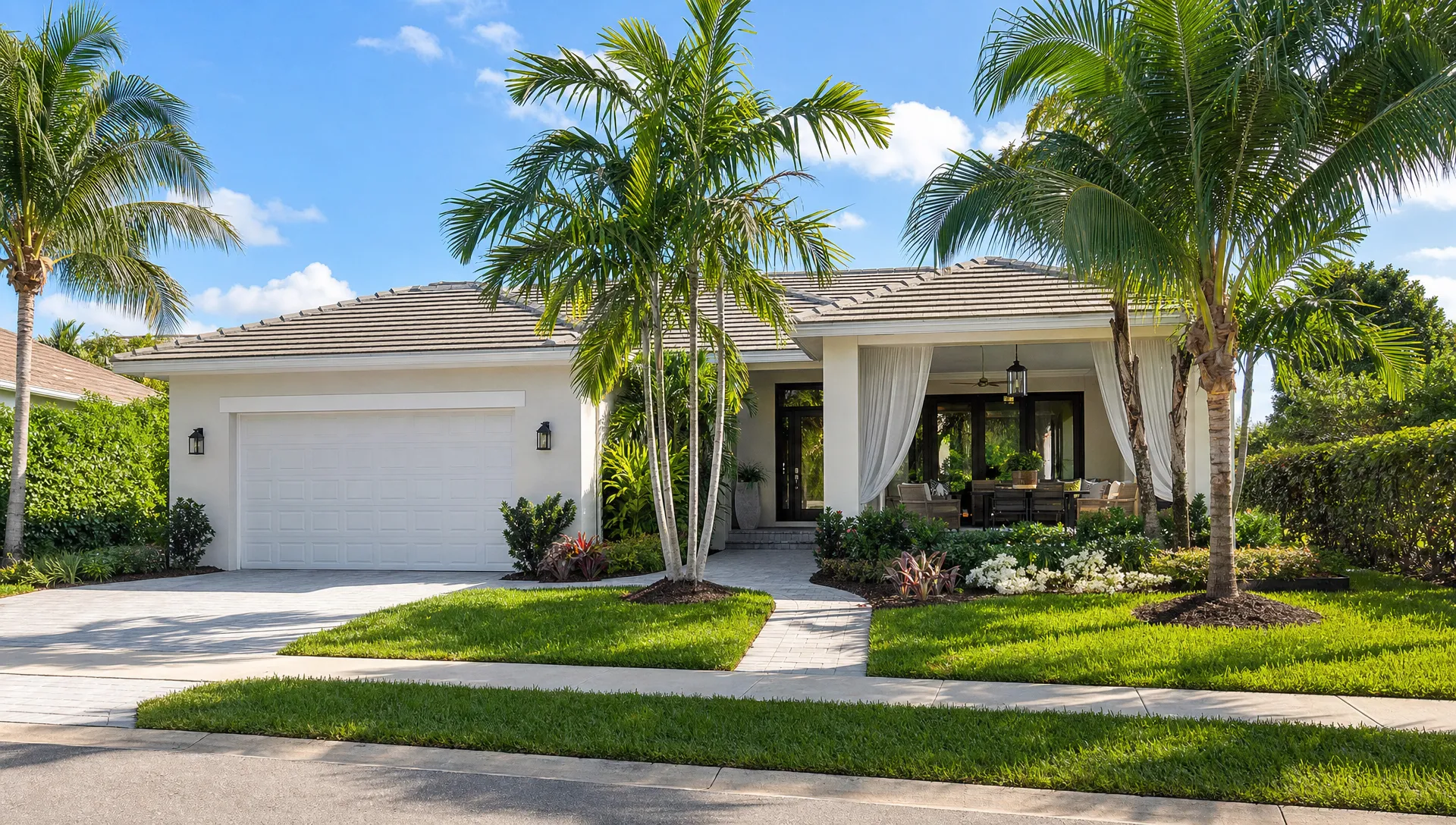
6. Write a description that sells benefits, not just features
Your MLS description should be clear, accurate, and buyer-focused. Avoid generic phrases like “must see” or “won’t last” unless you also explain why the home is compelling.
A strong description connects property features to buyer benefits. Instead of saying “large screened lanai,” you might say “a screened lanai extends the living space for year-round outdoor dining.” Instead of “newer roof,” specify the year if you can verify it. Instead of “great location,” name nearby benefits such as beaches, commuter routes, parks, shopping, airports, or downtown areas.
Keep fair housing rules in mind. Descriptions should focus on the property and location, not the type of person you think should live there. Avoid language that could be interpreted as steering toward or away from protected classes.
7. Know what disclosures and documents may be needed
Florida sellers should take disclosures seriously. While disclosure obligations depend on the property and situation, sellers are generally expected to disclose known facts that materially affect property value and are not readily observable.
Flood disclosure is also important. Florida law includes a residential flood disclosure requirement under Florida Statutes Section 689.302. Sellers should understand what must be disclosed and when. If you are unsure how a requirement applies to your transaction, consult a qualified real estate professional or attorney.
Depending on your property, you may need to gather:
- Seller property disclosure forms
- HOA or condo documents
- Flood disclosure information
- Lead-based paint disclosure for homes built before 1978
- Survey, elevation certificate, or permits if available
- Rental history or lease details if tenant-occupied
Having documents ready can reduce delays once a buyer is interested. It also helps agents answer questions quickly, which can keep momentum moving toward an offer.
8. Make showings easy to schedule
Exposure creates interest, but access creates offers. If your listing is difficult to show, buyers may move on to homes that are easier to see.
This is especially true in Florida markets where buyers may be visiting for a short window. A relocating buyer may fly in for a weekend and see 10 homes in two days. If your showing availability is too limited, you may miss a serious opportunity.
Consider using a lockbox where appropriate, keeping the home show-ready, and allowing reasonable appointment windows. If the property is tenant-occupied, coordinate expectations early and follow applicable lease terms and notice requirements.
Clear showing instructions also matter. Agents should know how to access the property, whether appointments are required, whether pets are present, and how much notice is needed. Confusion at this stage can hurt the buyer experience.
9. Decide how you will handle buyer agent compensation
MLS rules and commission practices have changed in recent years. Sellers should understand that commissions are negotiable, and buyer broker compensation practices may vary depending on the MLS, brokerage, and transaction structure.
In many cases, offers of buyer broker compensation are no longer displayed in the MLS itself, but sellers may still consider compensation strategies outside the MLS as part of their overall marketing and negotiation plan. Some buyers may ask for seller concessions or credits to help cover costs.
The right approach depends on your price point, local competition, buyer demand, and net proceeds goals. A low-cost listing strategy can save money, but you still need to think carefully about how buyer agents and buyers will evaluate the total transaction.
A good MLS listing service should explain your options without pressuring you into one commission structure. You may also want contract negotiation support if you are not comfortable evaluating offer terms on your own.
10. Monitor your listing after it goes live
Do not assume everything is perfect once your listing is active. Review the MLS listing and the major portals after syndication. Check the photos, description, price, map location, property facts, showing instructions, and status.
Small errors can create real problems. An incorrect bedroom count can filter you out of searches. A missing condo fee can frustrate buyers. A wrong map pin can make the location look less desirable. Slow status updates can create confusion after you accept an offer.
If your listing is not getting activity after the first week or two, look at the signals. Are showings low? Are buyers viewing but not making offers? Are agents giving similar feedback? The solution might be a price adjustment, new photos, a revised description, easier showing access, or repairs that remove buyer objections.
For a detailed look at the fields that affect buyer perception, see what an MLS listing includes and why it matters.
11. Compare service levels before you commit
Not every Florida MLS listing service offers the same level of help. Some are primarily self-service, while others include more broker support, contract help, or optional full-service assistance.
Before choosing, compare what is included and what costs extra.
| Service factor | Question to ask |
|---|---|
| MLS coverage | Will my home be listed in the MLS used by local buyer agents? |
| Syndication | Which major portals and brokerage sites may receive the listing? |
| Broker support | Can I get help with listing edits, forms, or questions? |
| Contract support | Is offer review or negotiation assistance available? |
| Changes | How many price, photo, or description updates are included? |
| Cancellation | Can I cancel if my plans change or if I hire a full-service agent? |
| Compliance | Does the provider understand Florida MLS rules and disclosures? |
A low upfront fee is attractive, but the cheapest option is not always the best value. If you need guidance with pricing, contract terms, inspections, or negotiations, choose a service level that matches your comfort level.
12. Be ready for offers before the listing goes active
The best time to prepare for an offer is before buyers start calling. Decide in advance what matters most to you: price, closing timeline, inspection terms, appraisal risk, financing strength, leaseback needs, or certainty of closing.
A higher offer is not always the strongest offer. A financed offer with a large appraisal gap risk may be less attractive than a slightly lower offer with cleaner terms. A cash offer may close faster, but it can still include inspection contingencies or other conditions.
In Florida, inspection negotiations can be especially important because roof condition, HVAC age, plumbing, electrical systems, moisture issues, and insurance concerns may affect buyer confidence. If you know about repair issues upfront, decide whether to fix them before listing, price accordingly, or prepare to negotiate.
Common mistakes Florida sellers should avoid
Even a strong MLS platform cannot fix avoidable seller mistakes. Watch for these common problems:
- Choosing an MLS service that does not cover the correct local market
- Overpricing based on online estimates instead of recent comparable sales
- Uploading too few photos or using poor-quality images
- Leaving out HOA, condo, insurance, or flood-related details
- Making showings difficult for buyers and agents
- Ignoring feedback during the first two weeks
- Waiting until an offer arrives to gather key documents
The MLS gives your home visibility, but the full selling process still requires preparation, responsiveness, and smart decision-making.
Frequently Asked Questions
Can I list my Florida home directly on the MLS myself? In most cases, sellers cannot directly enter a property into the MLS unless they are licensed MLS participants. Homeowners typically use a licensed broker or a flat fee MLS listing service to place the home in the appropriate MLS.
Is a Florida MLS listing service the same as full-service brokerage? Not always. Some MLS listing services are limited, meaning you handle showings, pricing decisions, and negotiations yourself. Others offer broker support or full-service options. Review what is included before choosing.
Will my MLS listing appear on Zillow, Realtor.com, and other sites? Many MLS listings syndicate to major real estate portals and brokerage websites, but display timing and details can vary by MLS, portal, and data feed. The MLS listing should be treated as the primary source of accuracy.
Do I still need to offer buyer agent compensation? Compensation is negotiable, and practices vary. Sellers should evaluate local market expectations, buyer affordability, and net proceeds. A broker or real estate professional can help explain current options.
What is the biggest factor in MLS listing success? Pricing and presentation usually have the biggest impact. Strong photos, complete property details, easy showing access, and quick responses also help convert MLS exposure into serious buyer interest.
Ready to list your Florida home smarter?
A Florida MLS listing service can help you reach more buyers while keeping more control over your selling costs. The key is choosing the right MLS coverage, preparing a complete listing, pricing strategically, and knowing when to get professional support.
NetRealtyNow offers flat fee MLS listing services and full-service real estate brokerage options, helping sellers increase exposure while managing commission costs. If you want MLS visibility with broker support available, start by reviewing your options and choosing the service level that fits how hands-on you want to be.