
Selling a home in 2026 is not about doing one dramatic thing right. It is about making a series of smart decisions before buyers ever walk through the door: pricing realistically, presenting the home well online, understanding commission options, and negotiating from a clear view of your net proceeds.
The best real estate advice for sellers this year is simple: act like today’s buyers are informed, budget-conscious, and comparison shopping aggressively. Many are watching interest rates, insurance costs, property taxes, repair needs, and closing costs at the same time. If your home looks overpriced, underprepared, or hard to tour, they may move on quickly.
Here is how to position your sale for stronger exposure, better offers, and fewer surprises in 2026.
Start With the Market You Are Actually In
National headlines can be misleading. One week you may hear that inventory is rising. The next, you may hear that desirable homes are still selling quickly. Both can be true, depending on your neighborhood, price range, property type, and condition.
Before choosing a list price or sales strategy, look at your immediate competition. A seller of a renovated townhouse in a commuter-friendly suburb is not in the same market as a seller of a rural property needing major repairs. Buyers compare homes by monthly payment, commute, school district, condition, taxes, insurance, and lifestyle fit, not just square footage.
The most useful local data includes recently sold homes, active listings, price reductions, days on market, and pending sales. Active listings show your competition. Sold listings show what buyers have actually paid. Pending listings show where demand may be strongest right now.
In 2026, pricing based only on what a neighbor got last year can be risky. Mortgage rates, insurance costs, and buyer confidence can shift quickly. The right question is not, What is the highest number I can ask? The better question is, What price will make qualified buyers believe they need to see this home now?
Price for Attention, Not Just Aspiration
Overpricing remains one of the most expensive seller mistakes. A high list price may feel like leaving room to negotiate, but it can reduce showings, weaken online visibility, and create the impression that something is wrong if the home sits too long.
Buyers today often save searches with strict price filters. If your home is priced just above a common search range, it may miss a large group of buyers entirely. For example, a home listed at $505,000 may not appear for buyers searching up to $500,000, even if they would have considered it.
A strong pricing strategy should balance ambition with momentum. The first two weeks of a listing are usually when a home gets its most attention. If buyers think the price is fair, you can generate more showings and possibly stronger competition. If they think the price is unrealistic, the listing may grow stale before you make your first adjustment.
Use this table as a practical starting point:
| Seller decision | Better 2026 approach | Why it matters |
|---|---|---|
| List price | Compare nearby sold, pending, and active homes | Buyers judge value against current alternatives |
| Preparation budget | Fix visible issues before listing when practical | Small defects can create big negotiation leverage |
| Photos | Use bright, clean, complete visuals | Most buyers screen homes online first |
| Showing access | Make tours as easy as possible | Limited access reduces buyer urgency |
| Commission strategy | Understand your options before listing | Your net proceeds depend on the full cost structure |
| Offer review | Compare net, terms, contingencies, and timing | The highest offer is not always the safest offer |
The goal is not to underprice your home. The goal is to avoid pricing in a way that makes buyers hesitate before they ever schedule a showing.
Make the Home Easy to Say Yes To
A buyer’s first impression usually forms online, but the in-person experience confirms or challenges it. Sellers should focus on removing doubts before they become objections.
Start with the basics: clean thoroughly, declutter, improve lighting, touch up paint where needed, and handle obvious maintenance issues. You do not have to renovate everything. In many cases, simple presentation improvements outperform expensive upgrades.
Pay special attention to the entrance, kitchen, bathrooms, main living areas, and primary bedroom. These spaces carry emotional weight. Buyers may forgive a dated guest room, but they are less likely to ignore stained carpet, poor lighting, peeling caulk, or strong odors.
If you are unsure where to spend money, prioritize repairs that make the home feel well cared for. Loose railings, dripping faucets, damaged trim, broken fixtures, and visible water stains can raise concerns about deeper problems. Even small issues can cause buyers to wonder what else has been neglected.
Treat Your Online Listing Like Your First Showing
Your MLS listing is not just a data entry form. It is your home’s first sales presentation. Photos, description, room details, features, and showing instructions all work together to create buyer interest.
Strong listing photos should be bright, accurate, and complete. Buyers want to understand the layout, not just see a few flattering corners. Include the main living spaces, kitchen, bedrooms, bathrooms, exterior, yard, and any meaningful upgrades or community features. If the home has a garage, finished basement, deck, views, storage, or flexible work-from-home space, make those visible.
The description should be specific rather than generic. Instead of saying beautiful home in great location, explain what makes the property useful: updated kitchen, fenced yard, near commuter routes, flexible lower level, low-maintenance outdoor space, or a layout suited for multigenerational living.
MLS exposure remains important because it feeds agent searches, buyer alerts, and many consumer-facing sites. If you want a deeper look at why this matters, NetRealtyNow explains how MLS real estate exposure helps homes sell faster by connecting listings with active buyers and agents.
Choose the Right Level of Selling Support
Not every seller needs the same service model. Some sellers want full guidance from pricing through closing. Others are comfortable handling showings and communication but still want MLS exposure and broker support. The right choice depends on your experience, time, market conditions, and comfort with negotiation.
A traditional full-service listing may make sense if you want hands-on help with pricing, preparation, marketing, negotiations, inspection issues, and closing coordination. A flat fee MLS option may appeal if you want to save on listing-side commission while still getting the property into the MLS. A hybrid model can work for sellers who want some support without paying for services they do not need.
Before choosing, be honest about your availability. Selling a home involves more than uploading photos. You may need to respond quickly to buyer inquiries, coordinate showings, review offers, manage deadlines, negotiate repairs, and keep paperwork moving. If your schedule is limited, paying for more support may protect your time and reduce risk.
It also helps to understand what a licensed professional contributes beyond simply placing a home online. This overview of what a real estate broker actually does for sellers is useful if you are deciding how much assistance you want during the transaction.
Understand Commission and Buyer-Agent Compensation in 2026
Commission strategy deserves careful attention in 2026. Since the industry practice changes connected to the National Association of Realtors settlement, offers of buyer-agent compensation are no longer displayed in many MLS systems, and many buyers are expected to sign written agreements with their agents before touring homes. NAR provides consumer-facing information about these changes in its settlement resources.
For sellers, this means compensation conversations may be more direct and more strategic. You may still be able to offer buyer-agent compensation or buyer concessions, depending on your market, brokerage guidance, and local rules. You are not choosing in a vacuum. Your decision can affect buyer affordability, agent interest, offer structure, and your final net.
The key is to compare scenarios before listing. What happens if you offer no buyer-side assistance? What happens if you offer a seller concession that helps with closing costs? What happens if the buyer asks for compensation in the offer? Each choice affects your proceeds differently.
Do not evaluate commission in isolation. A lower commission structure can be valuable, but only if your listing still receives strong exposure, accurate MLS placement, compliant paperwork, and the level of support you need. If you are comparing models, this guide to whether discount brokerage real estate is worth it in 2026 can help you weigh savings against service level.
Think in Terms of Net Proceeds, Not Just Sale Price
A high offer can look exciting until you calculate the details. Sellers should compare every offer based on net proceeds, certainty, and timing.
An offer with a slightly lower price but stronger financing, fewer contingencies, a flexible closing date, or fewer repair demands may be better than a higher offer with major uncertainty. This is especially true if you are buying another home, relocating, or trying to avoid delays.
Key offer terms to review include purchase price, earnest money, financing type, down payment, appraisal contingency, inspection contingency, closing date, requested seller concessions, included personal property, and any special conditions. If multiple offers arrive, create a side-by-side comparison so you can see the real tradeoffs.
Your negotiation strategy should also account for buyer psychology. A buyer who feels the seller is responsive and reasonable may stay engaged through inspection and appraisal. A buyer who feels dismissed may become more difficult later, especially if the inspection reveals issues.
Prepare for Inspection Before the Buyer Does
Inspections can make or break a transaction. Even when a home is in good condition, inspectors often find items that buyers did not notice during the showing.
You can reduce surprises by walking through the property before listing with a critical eye. Check for leaks, slow drains, electrical issues, HVAC concerns, roof damage, window problems, safety hazards, and signs of moisture. If you know something needs repair, decide whether to fix it, disclose it, or price accordingly.
Some sellers order a pre-listing inspection, especially if the home is older or they want to address issues upfront. This is not necessary for every property, and disclosure rules vary by state, but it can help sellers avoid being blindsided after accepting an offer.
Keep receipts and documentation for major repairs, systems, appliances, permits, warranties, and improvements. Buyers feel more confident when they can see evidence that the home has been maintained.
Make Showings Simple and Low-Friction
Showing access is an underrated part of selling. If buyers cannot see the home easily, they may choose another property. This is especially true for relocating buyers, busy families, and buyers working with tight timelines.
Keep the home show-ready during the first critical weeks. That means beds made, counters clear, lights ready, valuables secured, pets managed, and odors controlled. If you work from home or have children, plan a showing routine in advance so requests do not become stressful.
Try to avoid overly restrictive showing windows. A seller who allows only one hour twice a week may reduce demand, even if the home is appealing. Flexibility can increase traffic, and traffic often creates urgency.
Also, make feedback useful. Do not overreact to every comment, but watch for patterns. If multiple buyers mention price, layout confusion, dark rooms, pet odor, or needed repairs, take the feedback seriously.
Do Not Let Emotions Run the Negotiation
Selling a home is personal, but buyers are making a financial decision. They may criticize features you love, ask for repairs you think are unnecessary, or offer less than you hoped. Treat this as part of the process, not a personal judgment.
Before negotiations begin, decide your priorities. Is your main goal the highest price, fastest closing, least hassle, or most certainty? Knowing this helps you respond calmly when offers and counteroffers arrive.
A good counteroffer should be strategic, not reactive. Sometimes it is better to give a little on closing costs to preserve price. Sometimes it is better to reject a repair credit but agree to fix a safety issue. Sometimes it is better to accept a clean offer quickly rather than gamble on a higher offer that may never come.
The strongest sellers are prepared, realistic, and flexible. They know their numbers, understand their market, and focus on getting to closing.
Frequently Asked Questions
What is the most important real estate advice for sellers in 2026? Price your home based on current local data, not last year’s headlines or personal expectations. A realistic price, strong online presentation, and clear negotiation plan can improve your chances of attracting serious buyers.
Should I still list my home on the MLS in 2026? In most markets, yes. MLS exposure helps your listing reach agents, buyer alerts, and major real estate portals. Even if you plan to be involved in the sale yourself, MLS visibility can be a major advantage.
Is a flat fee MLS listing a good idea for sellers? It can be a good fit for sellers who want MLS exposure while saving on listing-side commission and who are comfortable handling some parts of the sale. The right choice depends on your experience, available time, and desired support level.
Should I offer buyer-agent compensation or seller concessions? There is no one-size-fits-all answer. Consider local expectations, buyer affordability, your pricing strategy, and your net proceeds. Review options with a licensed professional so you understand how each approach may affect offers.
How far in advance should I prepare my home before listing? Ideally, start preparing at least several weeks before going live. This gives you time to declutter, clean, complete minor repairs, gather documents, schedule photos, and choose the right listing strategy.
Sell Smarter in 2026
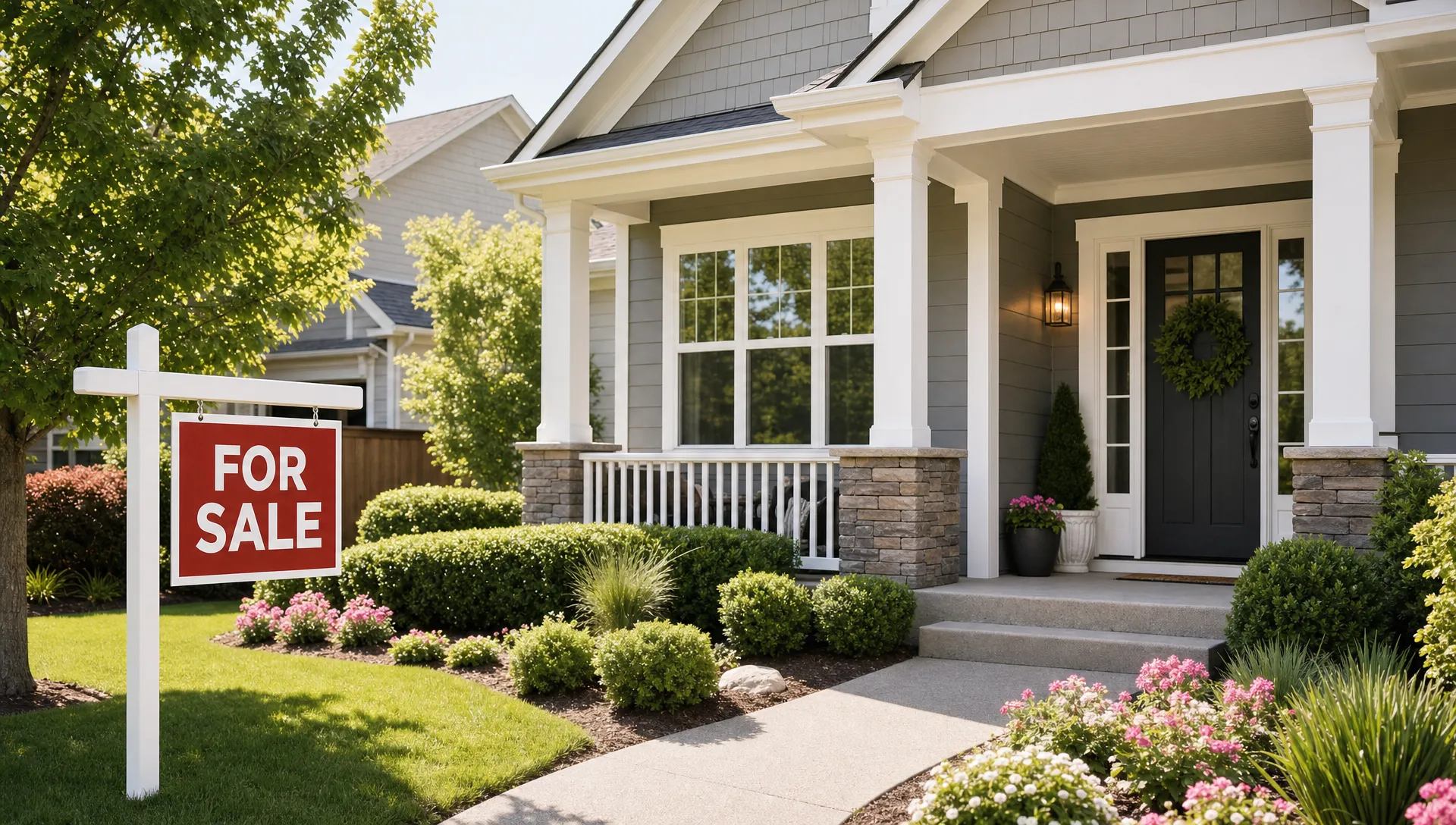
The best sellers in 2026 will not simply put a sign in the yard and hope. They will price with discipline, prepare the home carefully, use strong MLS exposure, understand commission choices, and negotiate with their net proceeds in mind.
If you want to sell with more control over costs while still getting meaningful market exposure, NetRealtyNow offers flat fee MLS listing services and full-service brokerage options in the states it serves. The right path depends on how much support you want, but the goal is the same: help your home reach serious buyers while protecting more of your equity.