
When buyers search for “MLS listings New York,” they usually want one thing: the most accurate, up-to-date view of homes for sale before the best options disappear. That is exactly why MLS data matters. The Multiple Listing Service is where many broker-listed properties originate before they are syndicated to public websites, agent IDX searches, and real estate portals.
But buying in New York is not always as simple as checking a portal and scheduling a showing. The state has multiple listing systems, New York City operates differently from many suburban and upstate markets, and property types like co-ops can add layers of review that do not exist in a typical single-family home purchase.
Here is what buyers should know before relying on MLS listings in New York, from understanding statuses and data fields to using alerts, reviewing costs, and preparing a stronger offer.
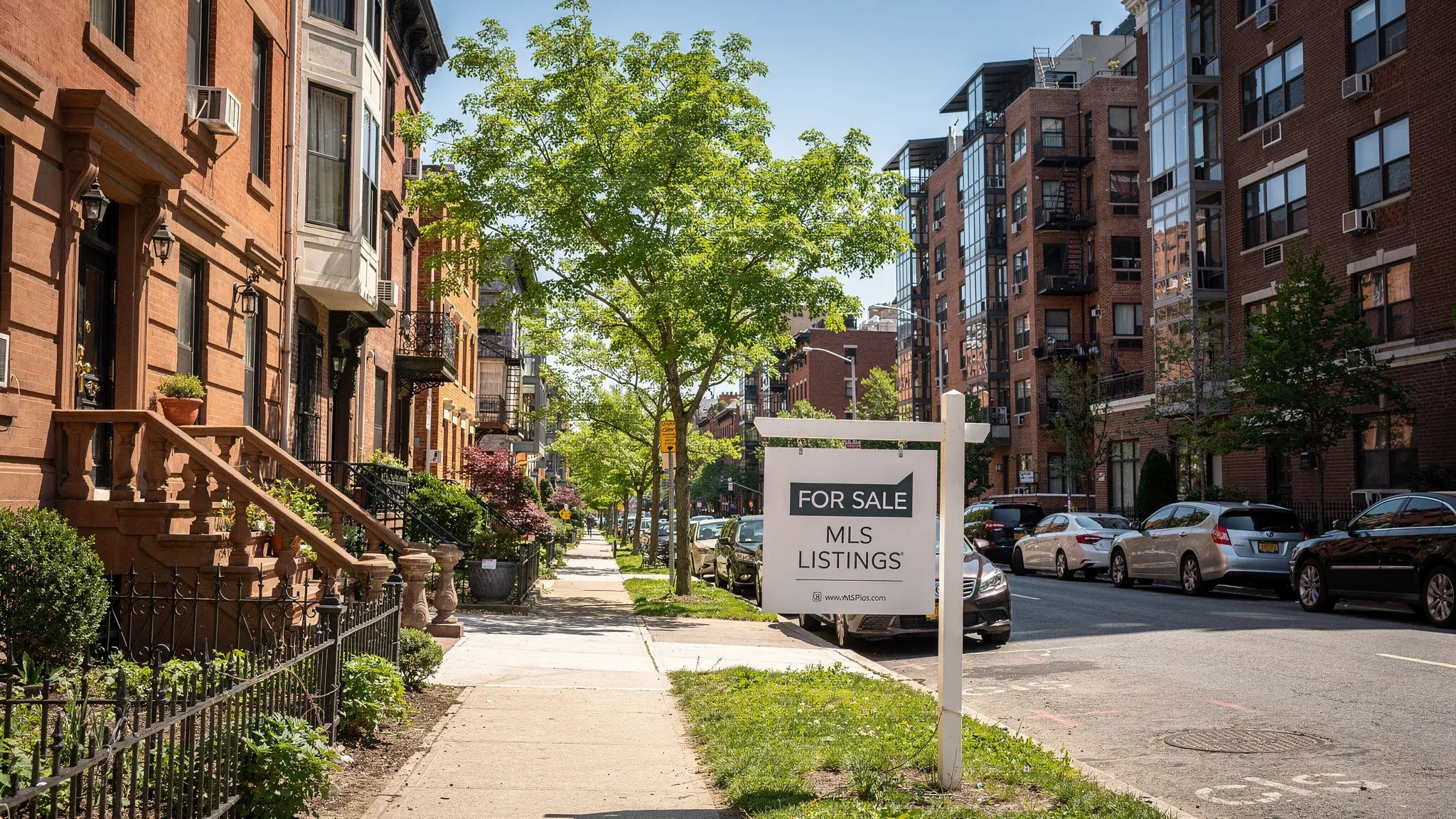
MLS listings in New York are not all in one place
In many parts of the country, buyers think of “the MLS” as one central database. In New York, the reality is more fragmented. The listing source you use may depend on whether you are buying in Manhattan, Brooklyn, Long Island, Westchester, the Hudson Valley, the Capital Region, Western New York, or another local market.
In New York City, many listings flow through broker networks and the REBNY Residential Listing Service rather than a traditional consumer-facing MLS experience. In the suburbs and many surrounding counties, buyers often encounter MLS data through systems like OneKey MLS or local broker IDX searches. In other parts of the state, regional MLSs and statewide listing platforms may be involved.
That does not mean buyers need to memorize every system. It does mean you should understand that public portals may not show every listing the same way, at the same time, or with the same level of detail.
| New York market area | Listing sources buyers may hear about | What buyers should know |
|---|---|---|
| New York City | Broker feeds, REBNY RLS, public portals | Co-ops, condos, building rules, and private listing practices can make NYC different from other markets. |
| Long Island, Westchester, Hudson Valley | OneKey MLS, broker IDX searches, portal syndication | Accurate alerts and local agent access can help buyers move quickly in competitive suburbs. |
| Upstate and regional markets | Local MLSs, regional associations, statewide listing platforms | Coverage and listing detail vary by county, so local guidance matters. |
| Statewide searches | Public portals and brokerage websites | Useful for browsing, but buyers should verify details before relying on them. |
The practical takeaway is simple: use public websites for broad research, but do not assume they are the final authority. If a home looks promising, verify the current status, showing availability, property details, and offer instructions through a licensed real estate professional.
Why MLS data matters more than portal browsing alone
Public portals are helpful, but they are often downstream from the MLS or broker data feed. That creates three common buyer issues: delayed status updates, missing fields, and inconsistent property details.
A listing might look active on a public site even though it already has multiple offers. A tax figure may be estimated or pulled from a public record that does not reflect exemptions. A listing description may highlight square footage, basement use, parking, or renovation history in ways that need verification.
MLS listings are valuable because they tend to include more structured information for agents and buyers, such as showing instructions, compensation notes where allowed outside the MLS, required disclosures, property condition details, exclusions, inclusions, and broker remarks. Not every buyer-facing MLS feed displays all of those fields, but the underlying data can help your agent ask better questions.
If you want a deeper strategy for moving quickly, NetRealtyNow’s guide on how to spot new listings before everyone else explains how early alerts, coming-soon activity, and back-on-market listings can create opportunities.
Understand listing statuses before you fall in love with a home
MLS status labels can vary by system, but buyers should know the general meaning of the most common ones. A home’s status affects whether you can tour it, submit an offer, or expect competition.
| Listing status | What it usually means | Buyer takeaway |
|---|---|---|
| Active | The property is available for showings and offers. | Move quickly if the home fits your criteria, especially in a competitive neighborhood. |
| Coming Soon | The property is being marketed before full active showings begin. | Use the preview period to prepare, but understand showing rules may be limited. |
| Active Under Contract or Contingent | The seller has accepted an offer, but certain conditions remain. | Backup offers may be possible, depending on the seller and contract status. |
| Pending | The transaction is further along and moving toward closing. | It is less likely to be available, but your agent can monitor it. |
| Back on Market | A prior deal fell through and the home is available again. | Ask why it returned, because financing, inspection, title, or buyer issues may be involved. |
| Temporarily Off Market | The listing is paused but not necessarily canceled. | It may return later, so keep it on your watch list. |
| Closed | The sale has completed. | Use it as comparable sale data, not as an active opportunity. |
In New York, one important point is that an “accepted offer” does not always mean a binding contract is in place. In many New York transactions, the deal becomes binding only after attorneys review and both parties sign the contract. Practices vary by market and property type, but buyers should not confuse verbal acceptance with a fully secured purchase.
New York buyers should read beyond the price
The list price is only one part of affordability. In New York, monthly carrying costs can change the real cost of ownership dramatically. Two homes with the same purchase price may have very different tax bills, maintenance charges, common charges, insurance needs, and financing requirements.
For single-family homes, pay close attention to property taxes, school district, local assessments, flood insurance risk, and whether any exemptions are reflected in the displayed tax number. For condos, review common charges, reserves, building insurance, and any pending assessments. For co-ops, maintenance charges, board requirements, financing rules, and building financials can be just as important as the purchase price.
This is especially important in New York City, where co-op listings may show monthly maintenance that includes different items than a condo’s common charges. A co-op’s maintenance may include building expenses and, in many cases, a portion of real estate taxes. A condo owner typically pays common charges and property taxes separately. Always confirm the details with the listing agent, your buyer’s agent, your attorney, and your lender.
Co-ops, condos, and houses are very different purchases
A buyer browsing MLS listings in New York may see co-ops, condos, townhouses, multifamily homes, and single-family houses in the same search results. They are not interchangeable.
| Property type | What you are buying | Key buyer considerations |
|---|---|---|
| Co-op | Shares in a corporation plus the right to occupy a unit through a proprietary lease | Board approval, financial requirements, maintenance charges, sublet rules, renovation rules, and financing limits. |
| Condo | Deeded ownership of a unit plus shared interest in common areas | Common charges, taxes, reserves, building rules, assessments, and lender approval. |
| Single-family home | Land and structure, subject to local zoning and title | Taxes, condition, inspections, insurance, utilities, and potential repairs. |
| Multifamily property | Property with multiple residential units | Rental income, leases, local rules, building condition, financing, and legal use. |
| Townhouse | Often fee-simple ownership, sometimes with association rules | Exterior maintenance, landmark restrictions, taxes, and renovation costs. |
The MLS can help you identify property type, but it cannot replace due diligence. Before making an offer, buyers should understand what they are actually buying, what rules apply, and what post-closing costs may look like.
Buyer-agent compensation has changed how buyers should prepare
Since industry rule changes took effect in 2024, many MLSs no longer display broker compensation offers in the same way they previously did. Buyers should not assume that seller-paid buyer-agent compensation will be visible in the MLS or automatically available in every transaction.
This makes early conversations with your agent more important. Before touring homes, ask how buyer representation works, what agreement you may need to sign, how your agent is compensated, and whether compensation can be negotiated as part of an offer. In New York, buyers should also understand agency relationships and disclosures. The New York Department of State’s real estate broker resources are a useful starting point for understanding licensing and consumer-facing real estate rules.
For buyers, the key is not to avoid representation. The key is to understand the cost structure before you are in a bidding situation. A clear plan helps you compare homes accurately and avoid surprises when writing an offer.
How to set up better MLS alerts
Generic alerts can overwhelm you with homes that do not fit. Better alerts are specific enough to be useful but flexible enough to catch good opportunities.
Start with the non-negotiables: location, property type, budget range, bedrooms, commute needs, school district if relevant, and financing limitations. Then decide where you can be flexible. In New York, that flexibility may include considering nearby neighborhoods, homes with higher days on market, listings with poor photos, or properties that came back on the market.
A strong alert strategy should account for:
- New active listings that match your core criteria.
- Coming-soon listings when your market allows them.
- Price reductions in neighborhoods you like.
- Back-on-market properties that may have less competition.
- Listings slightly above budget that may become negotiable.
Do not rely on alerts alone. In fast-moving markets, buyers who are already pre-approved, responsive, and clear on their criteria are in a better position than buyers who wait until the weekend to review everything.
Verify the details that MLS listings cannot fully prove
MLS listings are only as accurate as the information entered and the sources behind it. Most listing agents work hard to provide correct information, but buyers still need to verify important details.
Square footage is a common example. Some listings use tax records, some use floor plans, and some may exclude or include finished basements differently. Lot size, legal bedroom count, parking rights, rental restrictions, taxes, and renovation permits can also require confirmation.
In New York City apartments, buyers should review building financials, board minutes when available, house rules, offering plans, alteration agreements, and sublet policies. In suburban and upstate purchases, buyers should review surveys, certificates of occupancy, septic or well information when applicable, flood maps, and municipal records.
Your real estate attorney, lender, inspector, and agent each play a role. The MLS helps you find the home, but the due diligence process helps you decide whether to buy it.
Do not ignore days on market and listing history
Days on market can tell a story, but it does not tell the whole story. A home with high days on market might be overpriced, poorly marketed, difficult to show, or located in a slower segment of the market. It might also be a perfectly good property that launched at the wrong price and is now more negotiable.
Listing history is often more revealing. Look for price reductions, temporary withdrawals, back-on-market events, and prior failed contracts. These details can help you shape your offer strategy.
For example, a fresh listing in a popular school district may require a clean, competitive offer. A home that has been active for 90 days with multiple reductions may leave room for negotiation on price, closing timeline, credits, or repairs. The MLS history can help your agent advise you, but the seller’s motivation is still something that must be assessed case by case.
Look at lifestyle fit, not just listing fit
A home can match your MLS search filters and still be the wrong daily-life fit. Before making an offer, think about commute patterns, parking, noise, grocery access, pet rules, building amenities, local services, and how the area feels at different times of day.
If your purchase is part of a larger relocation, build your support network early. That may include lenders, attorneys, contractors, doctors, fitness options, and wellness resources such as personalised nutrition guidance if maintaining healthy routines is part of your move plan.
Fair housing laws also matter. Buyers should evaluate properties based on lawful, property-specific criteria rather than assumptions about people who live in an area. Focus on facts you can verify: commute time, public data, property condition, taxes, building rules, and your own needs.
How buyers can use MLS listings to make stronger offers
A good offer is based on more than emotion. MLS data can help you compare recent sales, active competition, price reductions, and days on market. Your agent can use comparable sales to assess whether the asking price is realistic and whether the seller is likely to receive competing offers.
In New York, offer strength often depends on several factors: price, financing, down payment, contingencies, closing timeline, included items, and the buyer’s readiness. For co-ops, financial strength and board-package readiness may also matter. For houses, inspection terms and repair expectations can influence the seller’s decision.
Before you submit an offer, make sure you know:
- Whether your financing is fully pre-approved or only pre-qualified.
- How much cash you need for down payment, closing costs, reserves, and possible repairs.
- Whether the property type creates special lender requirements.
- What inspections or attorney review steps are customary in that local market.
- Whether buyer-agent compensation will be requested in the offer.
A buyer who understands these points can act faster and with fewer surprises.
Common mistakes buyers make with MLS listings in New York
One of the biggest mistakes is assuming that every attractive listing is truly available. Status can change quickly, and public websites may lag. Another mistake is treating monthly costs as an afterthought, especially with co-ops, condos, high-tax suburbs, and properties requiring flood insurance.
Buyers also get into trouble when they overlook property type. A co-op with a lower purchase price may have strict financial requirements, sublet restrictions, or board approval standards. A multifamily property may look affordable only because projected rent is optimistic or because legal use has not been verified.
Finally, buyers sometimes wait too long to assemble their team. In New York, a prepared buyer usually has a lender, buyer’s agent, attorney, and proof of funds ready before the right listing appears.
When to involve a buyer’s agent
You can browse listings on your own, but a buyer’s agent can help interpret MLS data, schedule showings, monitor status changes, request missing information, analyze comparable sales, and structure offers. This is especially helpful in New York because local customs can vary sharply from one county or borough to another.
NetRealtyNow offers real estate services in multiple states, including MLS-focused services and buyer commission rebates where available. If you are buying in a market NetRealtyNow serves, ask what representation options and rebate opportunities may apply to your situation.
FAQ: MLS listings New York buyers ask about
Can buyers access the MLS directly in New York? Buyers usually access MLS data through brokerage websites, agent portals, IDX searches, or public portals. Full MLS access is generally limited to licensed real estate professionals who participate in that MLS.
Are MLS listings more accurate than Zillow or other public websites? MLS data is often closer to the source, but public websites are still useful for browsing. Buyers should verify status, taxes, property details, and showing availability through an agent or broker before relying on any listing.
Why do some New York City listings not appear like traditional MLS listings? New York City has unique listing practices, including broker networks and the REBNY Residential Listing Service. Co-op and condo inventory may flow differently than single-family listings in suburban MLS systems.
What does “accepted offer” mean in New York? In many New York transactions, an accepted offer is not the same as a signed contract. The deal may not be binding until attorneys complete review and both parties sign the contract, but practices can vary.
Should I look at co-ops if they seem cheaper than condos? Co-ops can be a good fit for some buyers, but they require careful review of board rules, financial requirements, maintenance charges, sublet policies, and approval timelines. The lower purchase price is only one part of the decision.
Do MLS listings show buyer-agent compensation? Many MLSs changed how compensation is handled after 2024 industry rule changes. Buyers should discuss representation agreements and compensation with their agent before touring or making offers.
The bottom line for New York buyers
MLS listings are one of the best tools buyers have, but they are not just a list of homes. They are a data source that needs interpretation, especially in a state as varied as New York.
Use MLS alerts to move quickly, but verify the details before you offer. Study property type, monthly costs, listing history, and local market norms. Most importantly, build a team that can help you interpret the listing, protect your interests, and act confidently when the right home appears.
If you are exploring a purchase in a market NetRealtyNow serves, reach out to discuss buyer representation, MLS-driven search strategies, and available buyer rebate options.